

Rotational molding is an essential manufacturing method for creating worthless plastic services and products effectively and consistently. In this short article, we examine how Rotational Molding operates, their benefits, programs, and important factors for firms looking to embrace that technique.
What is Rotational Molding?
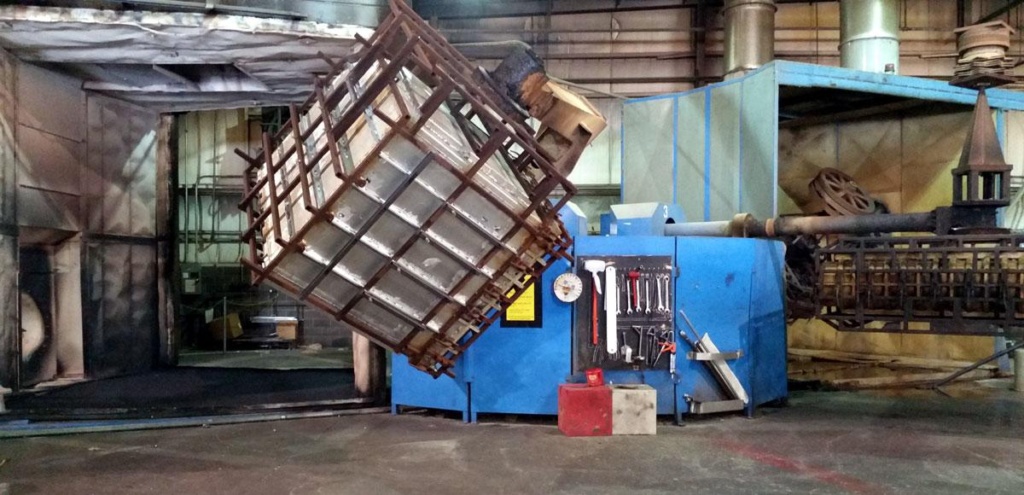
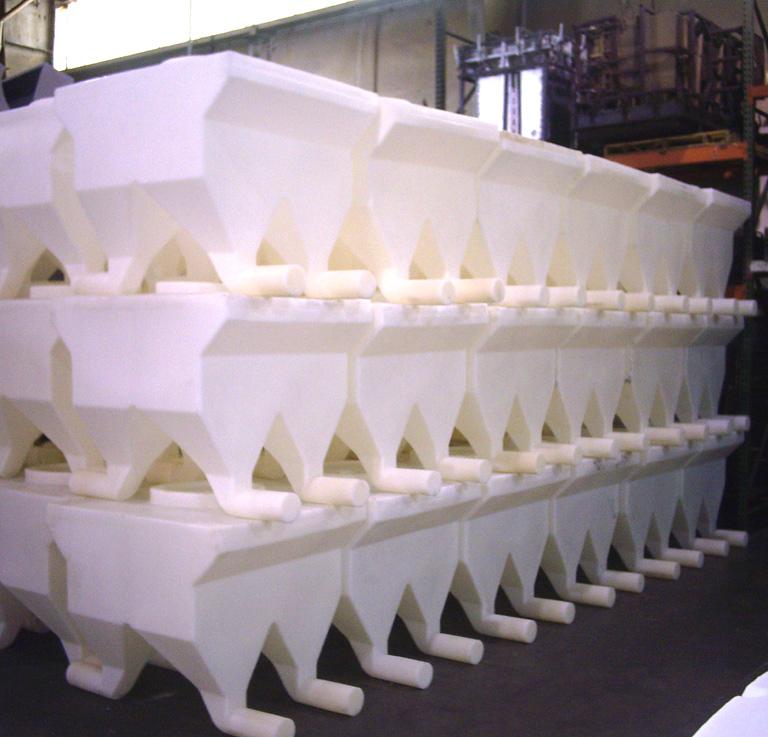
Rotational molding , frequently called rotomolding , is a way where powdered plastic is positioned in a form, heated, and rotated along two axes. This allows the material to consistently coat the inside, forming sturdy, seamless worthless items such as tanks, containers, and playground equipment. Unlike procedure molding , rotational molding employs lower pressures, rendering it cost-effective for big and complicated parts.
How Does the Process Work?
The method generally requires four stages:
Packing the Shape – Plastic-type material is added to the mold.
Heating and Turn – The mold moves within an stove, spreading the material evenly.
Chilling – The mold is cooled while ongoing rotation to solidify the product.
Demolding – The completed portion is removed and inspected for quality.
Statistics suggest that rotational molding has a growing industry, with annual business development rates of 5–6%, pushed by demand for personalized, durable plastic products.
What Materials Are Commonly Used?
Polyethylene is typically the most popular substance because usefulness, toughness, and ease of molding. Other available choices contain polypropylene, PVC, and specific polymers for high-temperature or chemical-resistant applications. Substance decision affects charge, finish, and technical properties.
What Are the Advantages?
Style Flexibility: Complex styles and big sizes are achievable.
Durability: Goods are seamless, reducing weak points.
Cost-Efficiency: Lower tooling expenses in comparison to shot molding.
Consistency: Repeatable quality with little material waste.
Are There Any Limitations?
While rotational molding is flexible, it's slower cycle situations and is less ideal for very thin-walled parts. Also, shade changes involve thorough cleaning or focused molds.
What Industries Benefit Most?
Rotational molding is widely utilized in:
Storage and compound tanks
Automotive parts
Playground gear
Industrial pots and pallets
Industry research shows that sectors requesting lightweight, tough, and corrosion-resistant answers are significantly adopting rotational molding as a chosen production technique.
How to Optimize Production?
Performance could be increased by:
Applying standard substance powders
Ensuring precise shape style and preservation
Using computerized heating and cooling techniques
Future Trends in Rotational Molding
Market trends suggest:
Improved utilization of recyclable and sustainable polymers
Integration of electronic checking for quality control
Growth into client services and products and custom models
Conclusion
Rotational molding offers a unique mix of mobility, longevity, and cost-effectiveness. As industries demand personalized plastic answers, knowledge the method, components, and applications is vital for staying competitive. Properly executed, it ensures supreme quality, long-lasting products with small spend and consistent performance.